Solar lentigines are removed using a pigment laser, and regenerative tape is kept on the treated area for 3 weeks. EVERYOU Clinic advises keeping the tape applied right after the procedure on for as long as possible, replacing it with a new piece only when it starts to peel off or fills up heavily with exudate. Because solar lentigines may not disappear completely in a single session, any remaining pigment is re-evaluated after at least 2–3 months to decide whether repeat treatment is needed.
What This Article Covers
- What kind of spot a solar lentigo is
- Timeline of aftercare following solar lentigo laser treatment (table)
- Why the tape is kept on for 3 weeks
- When it does not clear in a single session
- Frequently asked questions
What Kind of Spot Is a Solar Lentigo?
Solar lentigines are brown spots that appear on areas frequently exposed to sunlight, such as the face or the backs of the hands. Unlike melasma, which tends to spread out broadly, each solar lentigo usually has a relatively well-defined border.
However, because several types of pigmentation look similar on the surface, a consultation comes first to distinguish whether a spot is a solar lentigo, melasma, or another blemish. EVERYOU Clinic uses pigment lasers such as PicoLo Premium, Helios III, and Nobleen according to the type and depth of the pigment. Overall pigment care is summarized on our Melasma & Pigmentation Guide Page.
Timeline of Aftercare Following Solar Lentigo Laser Treatment
| Period | What to Do | What to Avoid |
|---|---|---|
| Day of procedure to 3 weeks | Keep the regenerative tape applied right after the procedure on as long as possible; replace with new tape only if it begins to peel off or fills heavily with fluid | Getting water on the treated area, excessive drinking, saunas, steam rooms, heavy-sweating workouts |
| Washing your face (for 3 weeks) | Wash your face with the tape kept on | Removing the tape to wash |
| After removing the tape at 3 weeks | Consistently apply sunscreen and regenerative cream | UV exposure |
| For 2 months after the procedure | Maintain habits that minimize UV rays and skin irritation | Staying out in the sun for long periods |
| After at least 2–3 months | Check any remaining pigment and decide on repeat treatment | Rushing into another session |
Why the Tape Is Kept On for 3 Weeks
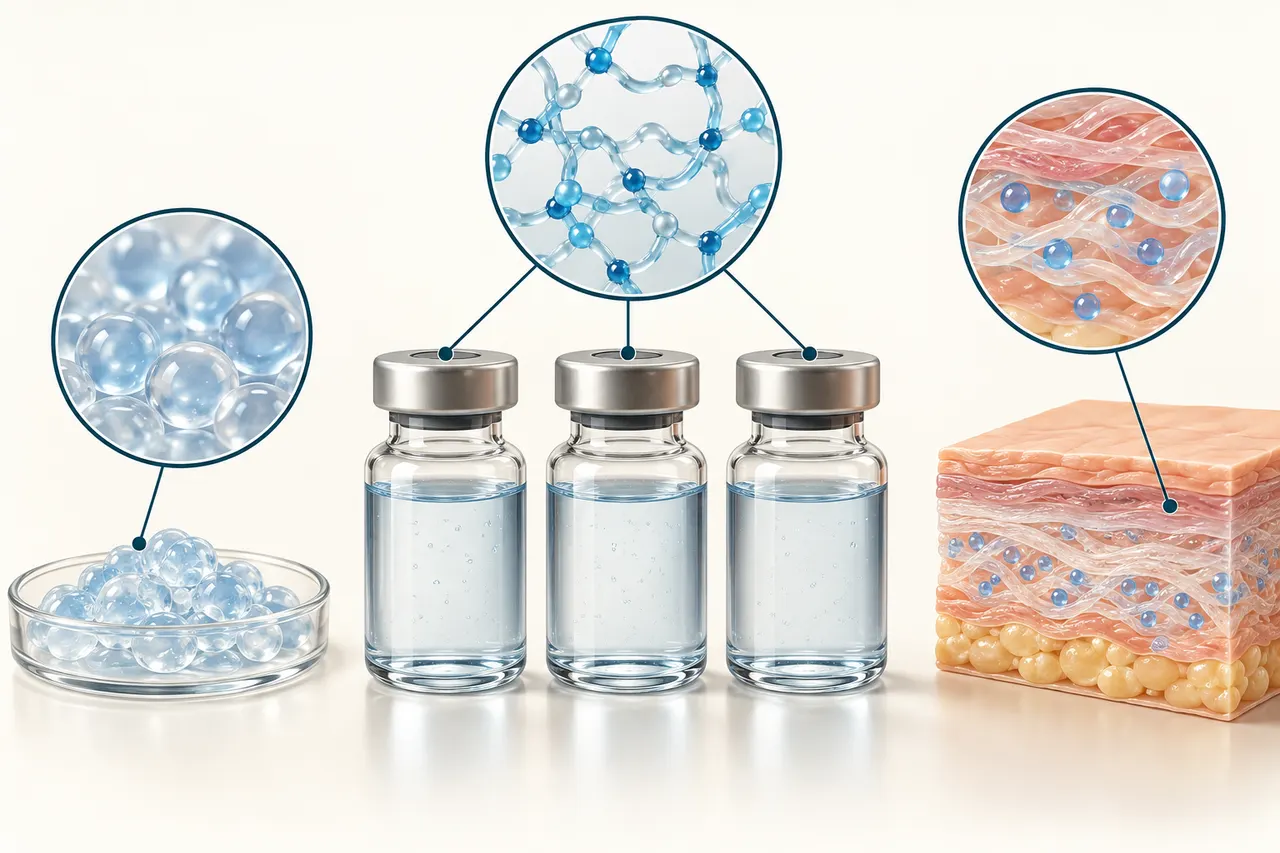
The tape applied after solar lentigo laser treatment is not an ordinary bandage, but a hydrogel tape that works as a moist wound dressing. It keeps the treated site hydrated and covered while protecting it from external irritation and water.
The longer you maintain the initial tape applied right after the procedure, the less the treated area is disturbed. That is why we advise replacing it with fresh tape only when fluid builds up heavily or the tape is about to come off.
Redness and Post-Inflammatory Pigmentation
After removing the tape, redness or hyperpigmentation may be visible on the treated site. This generally fades over time, though the duration varies by individual. However, if sunlight, hormonal changes, and skin irritation overlap, pigment can reappear on that spot, so please take extra care during the first 2 months after the procedure.
When It Does Not Clear in a Single Session
Solar lentigines may not be completely removed in one session. If residual pigment remains, we re-examine the area after at least 2–3 months once the skin has sufficiently recovered, and then decide whether to perform a repeat procedure.
Rather than getting retreated right away because remaining pigment is visible, it is better to give the area time to stabilize after removing the tape. Please also refer to our Post-Laser Aftercare Precautions, which apply to solar lentigo laser treatments as well.
How EVERYOU Clinic Proceeds
- During the consultation, we first distinguish whether the spot is a solar lentigo, melasma, or another blemish.
- We select the laser suited to the type and depth of the pigment.
- After the procedure, we guide you through regenerative tape care as well as the timing for your follow-up visit.
Clinic Information
EVERYOU Clinic is located on the 2nd floor of Samchang Plaza Building, 63-8 Mapo-daero, Mapo-gu, Seoul. It is a 5-minute walk from Exits 1 and 8 of Gongdeok Station (Subway Line 5) and from Exit 2 of Mapo Station, and underground parking is available in the building.
- Hours: Weekdays 10:30~20:00 (Lunch break 13:30~14:30), Saturday 10:30~14:00 (No lunch break), Closed on Sundays and public holidays
- Phone: 02-6952-2579
- KakaoTalk consultation and online booking via our website are also available.
All procedures may cause side effects such as redness or hyperpigmentation depending on the individual, and results vary from person to person. Please consult thoroughly with medical staff before deciding whether and how to proceed with treatment.