What This Guide Covers
- Why Botox wears off over time
- Reference duration guidelines by area (table)
- Habits that shorten the duration
- How to decide when to get retreated
- Frequently asked questions
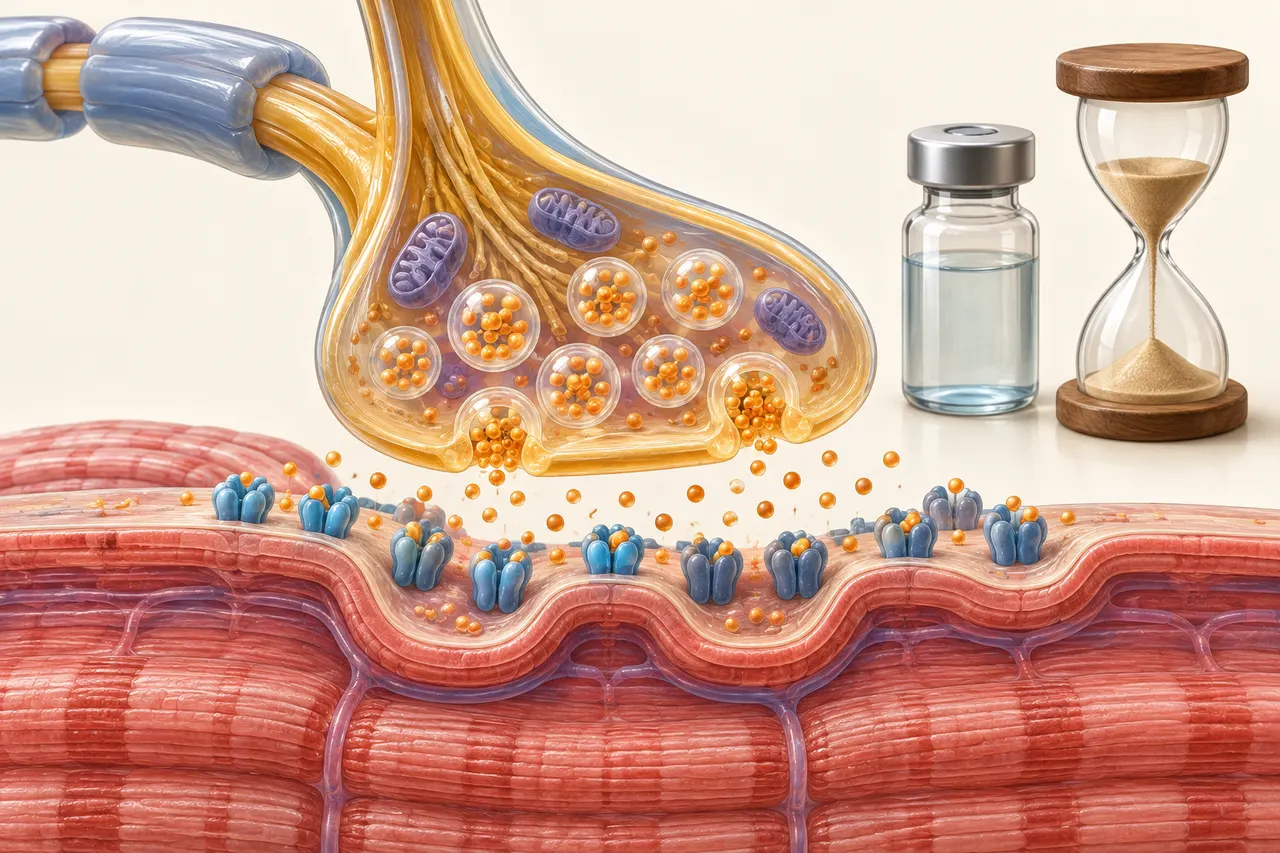
※ This is an illustrative diagram to aid understanding. It is not an actual photo of a patient, procedure result, or facility.
Why Does Botox Wear Off Over Time?
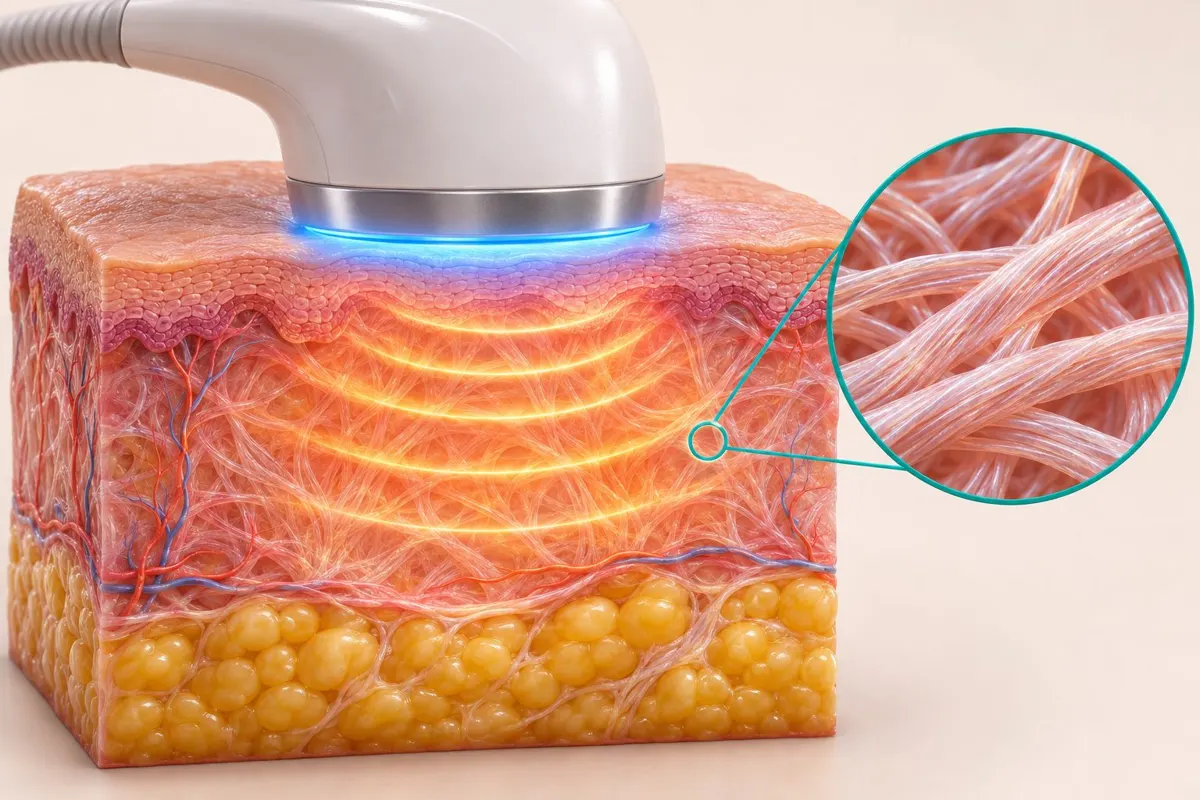
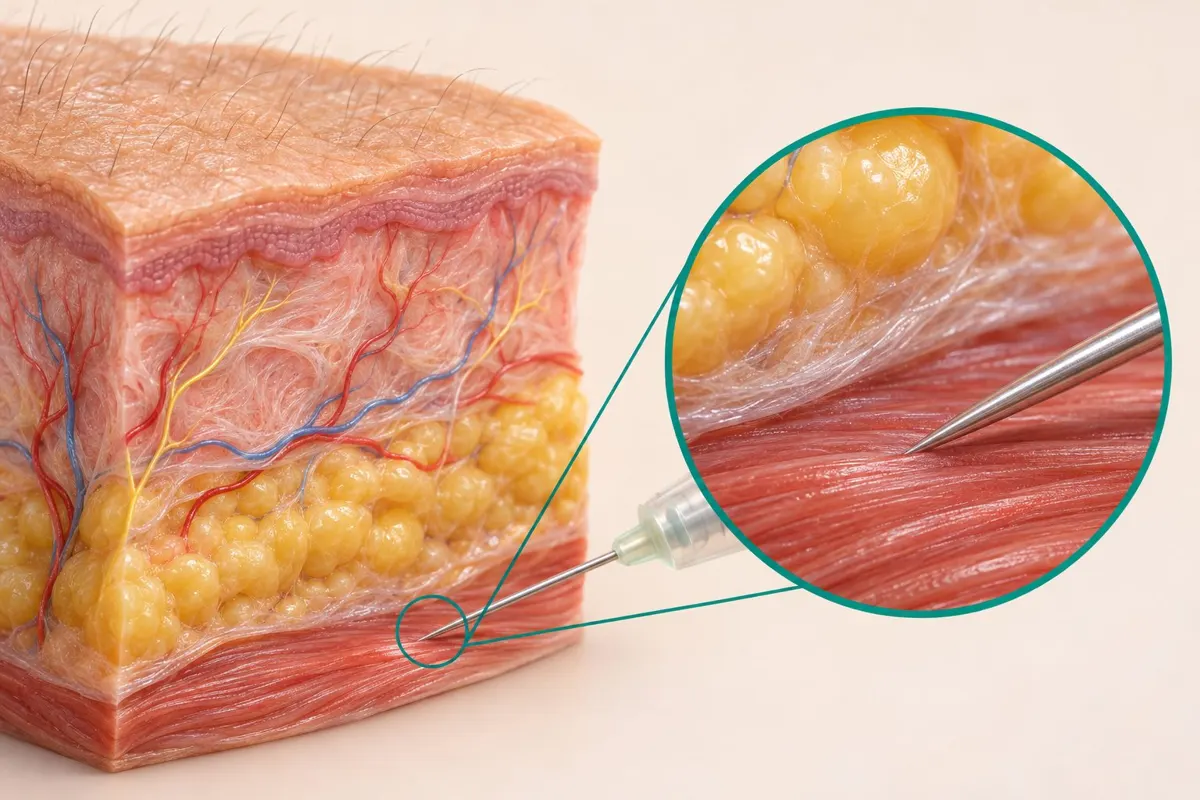
Botox works on the area where signals are transmitted to the muscle, reducing muscle movement. Over time, the connection between nerves and muscles forms again, and the muscle gradually regains its original movement.
For this reason, Botox does not stay in effect permanently after a single session. How long it lasts depends on how quickly this connection reforms, and that speed varies by area and individual.
Stronger Muscles May Feel Like They Wear Off Sooner
Even in the same area, individuals with larger and stronger muscles may feel that movement returns relatively quickly. EVERYOU Clinic's post-procedure guide also notes that the duration may vary depending on muscle strength.
Frequently Used Muscles May Recover Faster
If you use the muscles in the treated area frequently and forcefully, movement may return sooner. Therefore, avoiding heavy use of the muscles in that area after the procedure helps maintain the result.
Reference Botox Duration Guidelines by Area
The table below compiles the area-by-area duration guidelines from EVERYOU Clinic's post-procedure instructions. All values vary by individual.
| Area | Guided Duration | Factors Affecting Duration |
|---|---|---|
| Wrinkle Botox (forehead, glabella, etc.) | Around 3–4 months | Muscle strength, facial expression habits |
| Masseter (Square Jaw) Botox | Around 4–6 months | Jaw muscle size and strength, teeth clenching habits |
| Salivary Gland Botox | Around 4–6 months | Varies by individual |
| Skin Botox | Around 2–3 months | Varies by individual |
| Body Botox (trapezius, calves) | Around 4–6 months | Muscle strength, how much the area is used |
| Underarm Hyperhidrosis Botox | Around 4–6 months | Amount of sweat secretion |
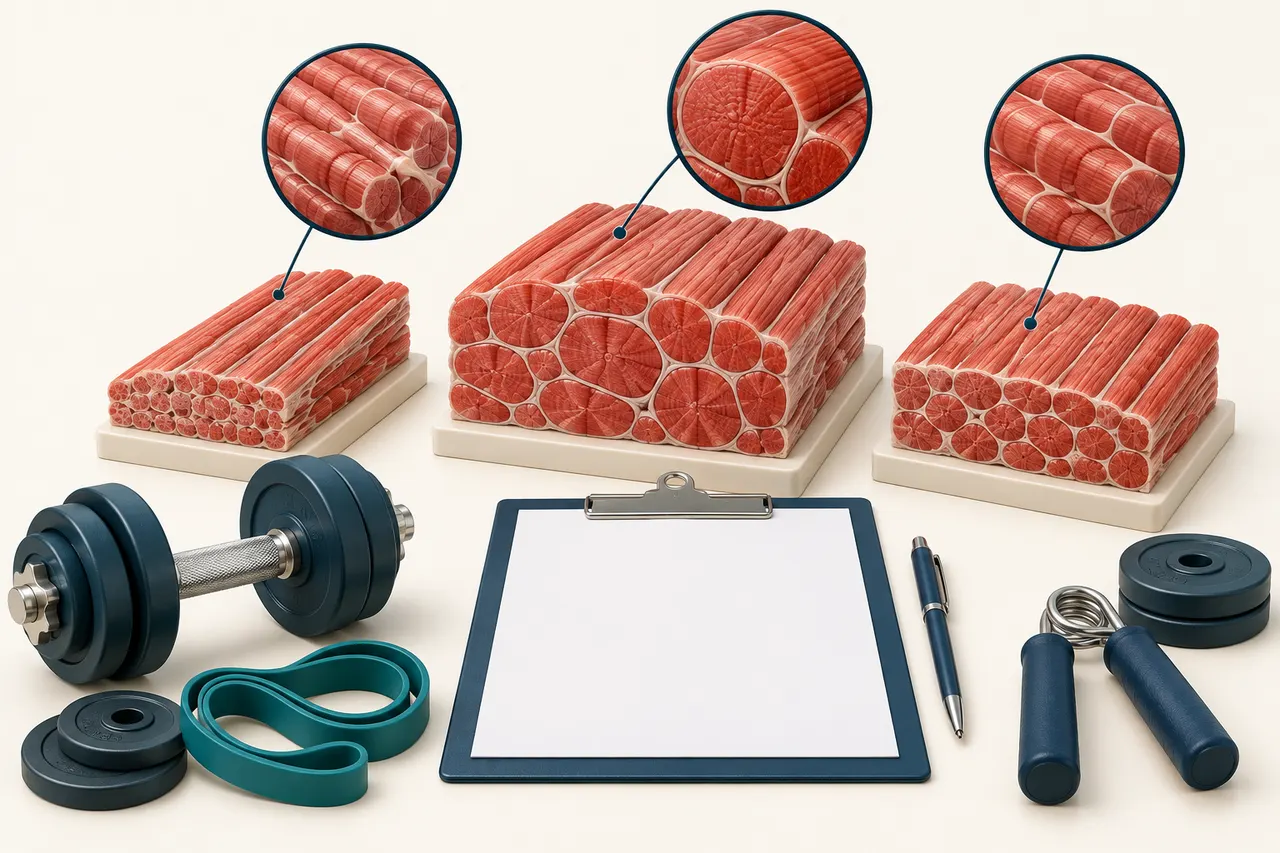
※ This is an illustrative diagram to aid understanding. It is not an actual photo of a patient, procedure result, or facility.
Habits That Shorten the Duration
Duration is not determined by the procedure alone. Everyday habits also play a role.
- Clenching teeth or teeth grinding: Because the jaw muscles are used continuously, movement after masseter Botox may return sooner.
- Frequently raising the eyebrows: This repeatedly uses the forehead muscles.
- Frequently carrying heavy loads: For trapezius Botox, muscle usage may increase.
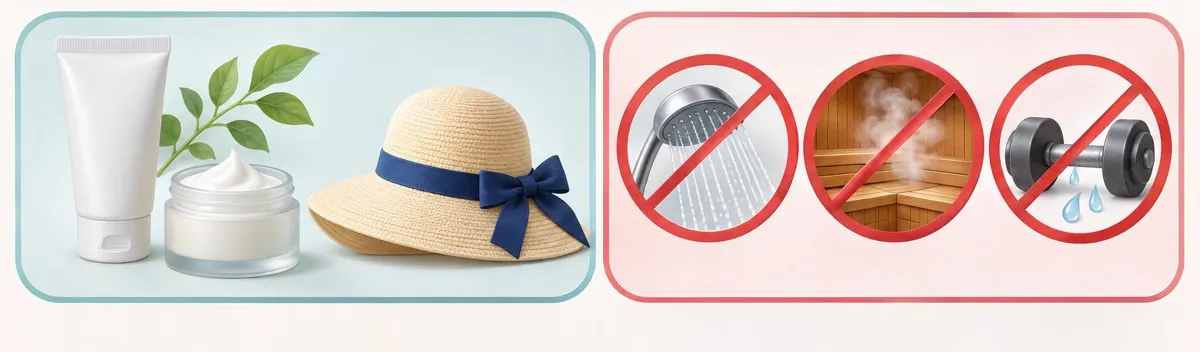
- Heat exposure right after the procedure: One reason we advise avoiding alcohol, saunas, and steam rooms for a few days after the procedure is that heat may weaken the action of Botox. Specific periods by procedure can be checked on our post-procedure instructions page.
How Do You Decide When to Get Retreated?
Rather than simply checking whether the period in the table has passed, the timing for retreatment is decided by looking at how much muscle movement has returned. The periods listed in the table are only a reference and may vary from session to session even for the same person.
Rather than repeating treatments at overly short intervals, it is advisable to check your muscle condition and set an appropriate interval. Increasing the dosage does not extend the duration proportionally, so EVERYOU Clinic determines the dosage and placement for each area according to your muscle condition. Details on the Botox products used and treatment areas at EVERYOU Clinic are organized on our Filler & Botox guide page.
How EVERYOU Clinic Approaches Your Care
- Before the procedure, we check the muscle condition and facial expression habits of your area of concern.
- After the procedure, we provide area-specific aftercare instructions along with guidance on when to schedule your next visit.
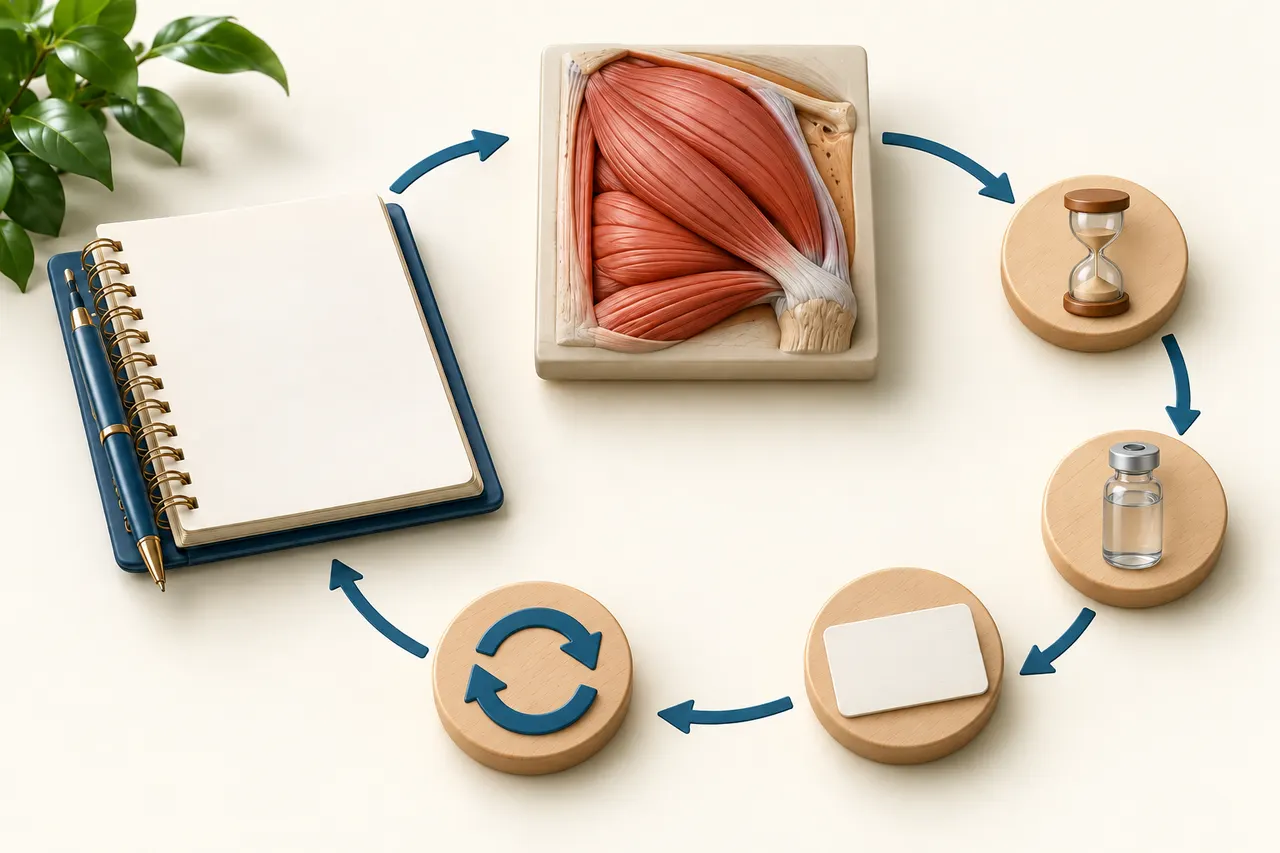
※ This is an illustrative diagram to aid understanding. It is not an actual photo of a patient, procedure result, or facility.
Clinic Information
EVERYOU Clinic is located at 63-8 Mapo-daero, Mapo-gu, Seoul, on the 2nd floor of Samchang Plaza Building. From Subway Line 5 Gongdeok Station (Exits 1 and 8) and Mapo Station (Exit 2), it is a 5-minute walk from each, and underground parking is available in the building.
- Hours: Weekdays 10:30–20:00 (Lunch break 13:30–14:30), Saturdays 10:30–14:00 (No lunch break), Closed on Sundays and public holidays
- Phone: 02-6952-2579
- Inquiries via KakaoTalk and online booking through our website are also available.
All procedures may cause side effects such as bruising, swelling, or needle marks depending on the individual, and results and duration vary from person to person. Please decide whether and how to proceed after consulting thoroughly with medical staff.