What We Check Before Removal
- Size and depth of the mole
- Color and borders of the mole
- Location of the mole
- Any recent changes in size, shape, or color
For moles that have recently grown larger, become asymmetrical in shape, or developed uneven coloring, it is safer to have them examined through a medical consultation first rather than removing them right away.
Mole Removal Methods
CO2 Laser
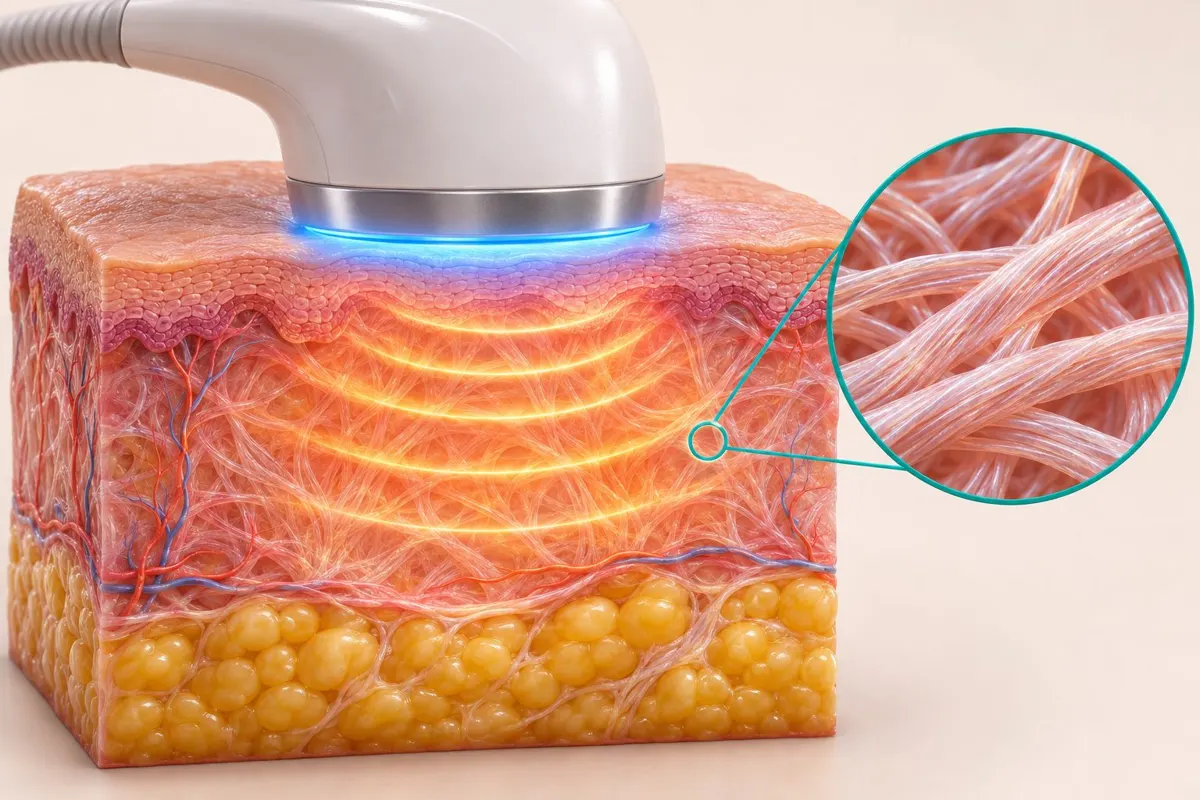
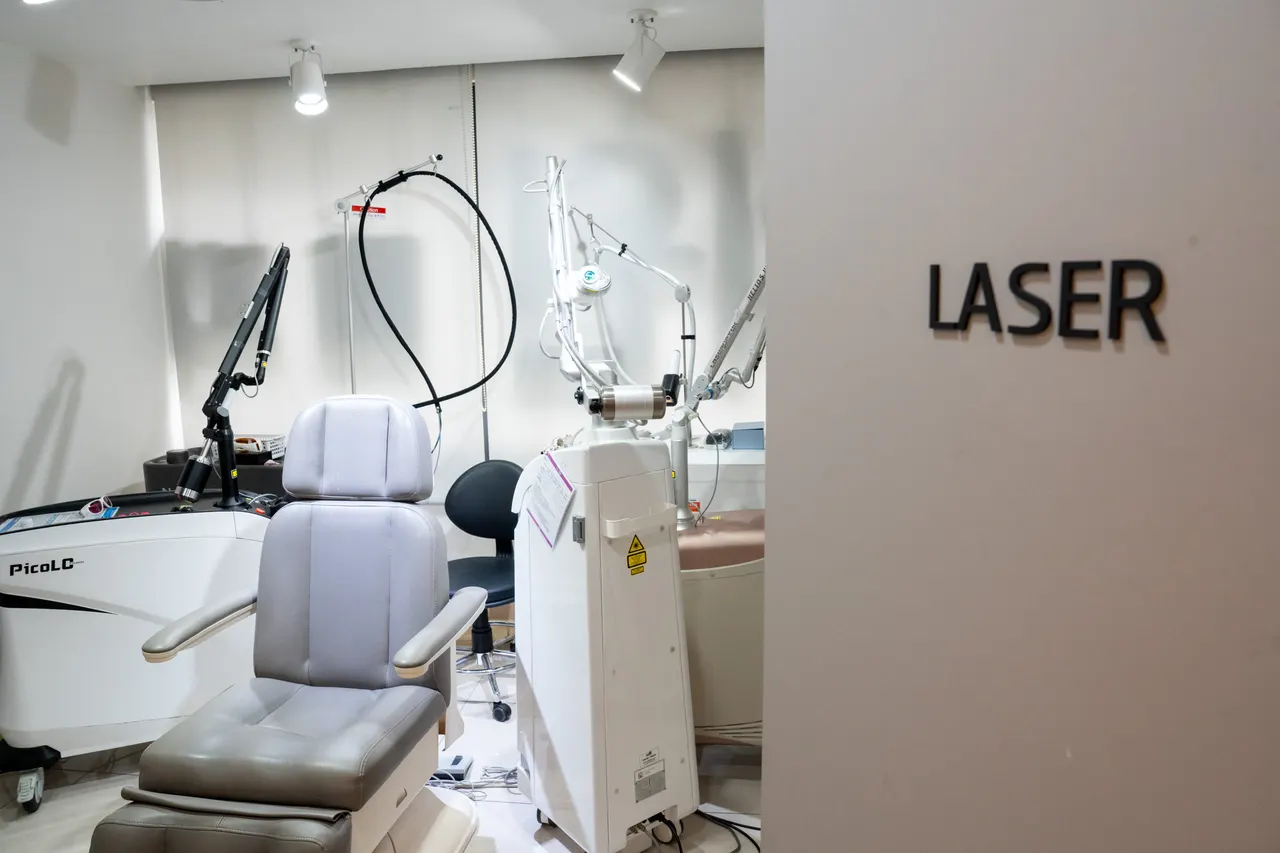
This method uses a carbon dioxide (CO2) laser to deliver concentrated high energy to the skin, vaporizing the lesion tissue. It is used to remove skin lesions such as moles and warts.
Ice Mole Removal
This method uses a 755nm wavelength to selectively break down melanin pigment. Because it has less impact on surrounding tissue, it can help reduce downtime.
Which method is suitable for each mole is determined after checking its size, depth, color, and location.
Other Skin Lesions We Consult On
- Flat warts — Small, flat lesions slightly raised on the skin surface
- Skin tags — Small, soft growths that appear around the neck or underarms
After checking the condition of the lesion, we plan the removal in a way that reduces skin damage.
Post-Procedure Care
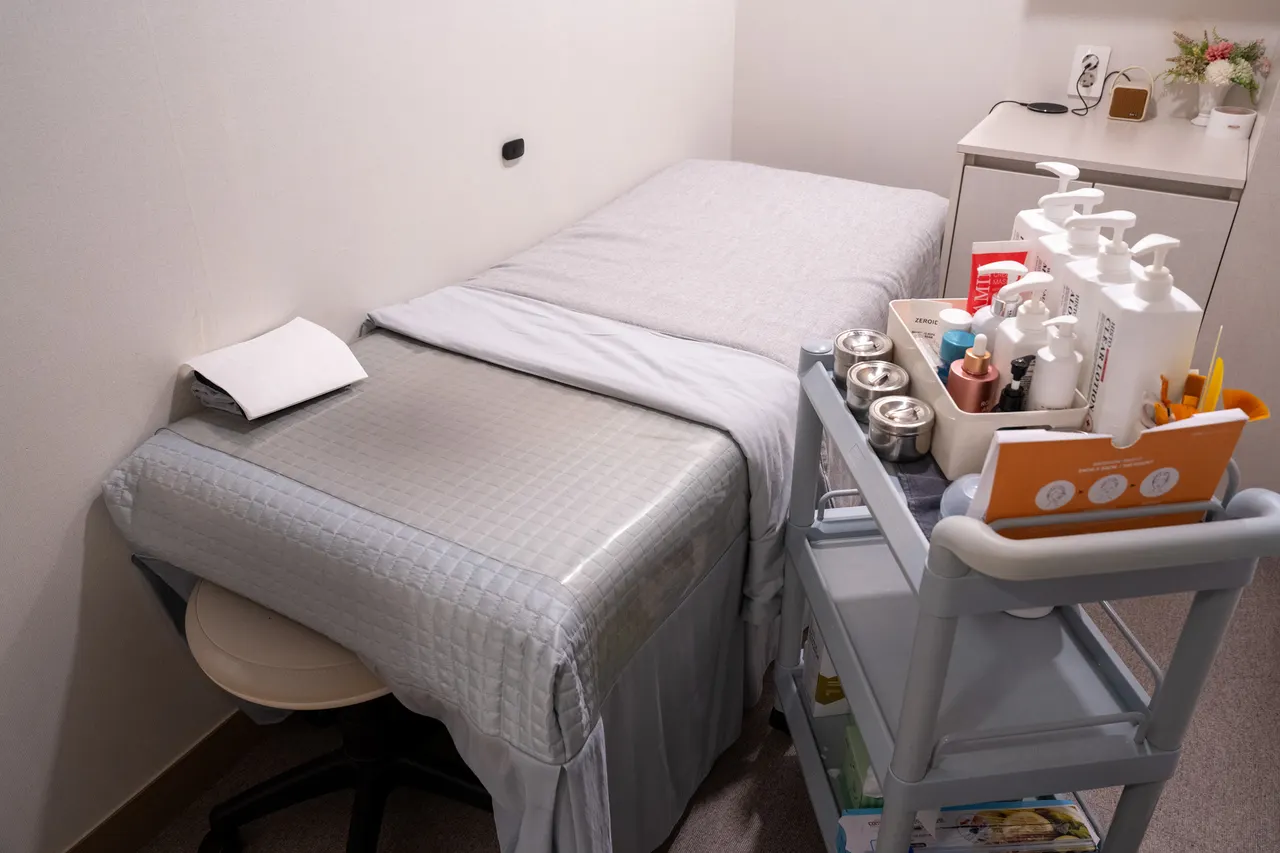
- Redness or scabs may form, and recovery speed varies depending on the depth of the mole and your skin condition
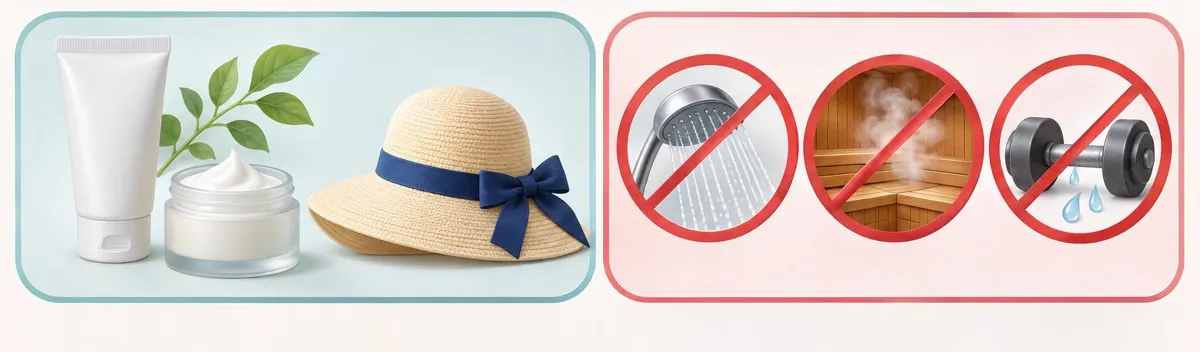
- Whether to apply regenerative tape and when to resume washing your face and wearing makeup will be guided individually depending on the removal method
- Do not forcefully pick off scabs
- Consistent sun protection can help reduce the chance of leaving marks
All procedures may cause side effects such as swelling, bruising, or redness depending on the individual, and results vary from person to person.
Please decide whether to proceed with the procedure and which method to use after a thorough consultation with the medical staff.