How Does Thread Lifting Work?
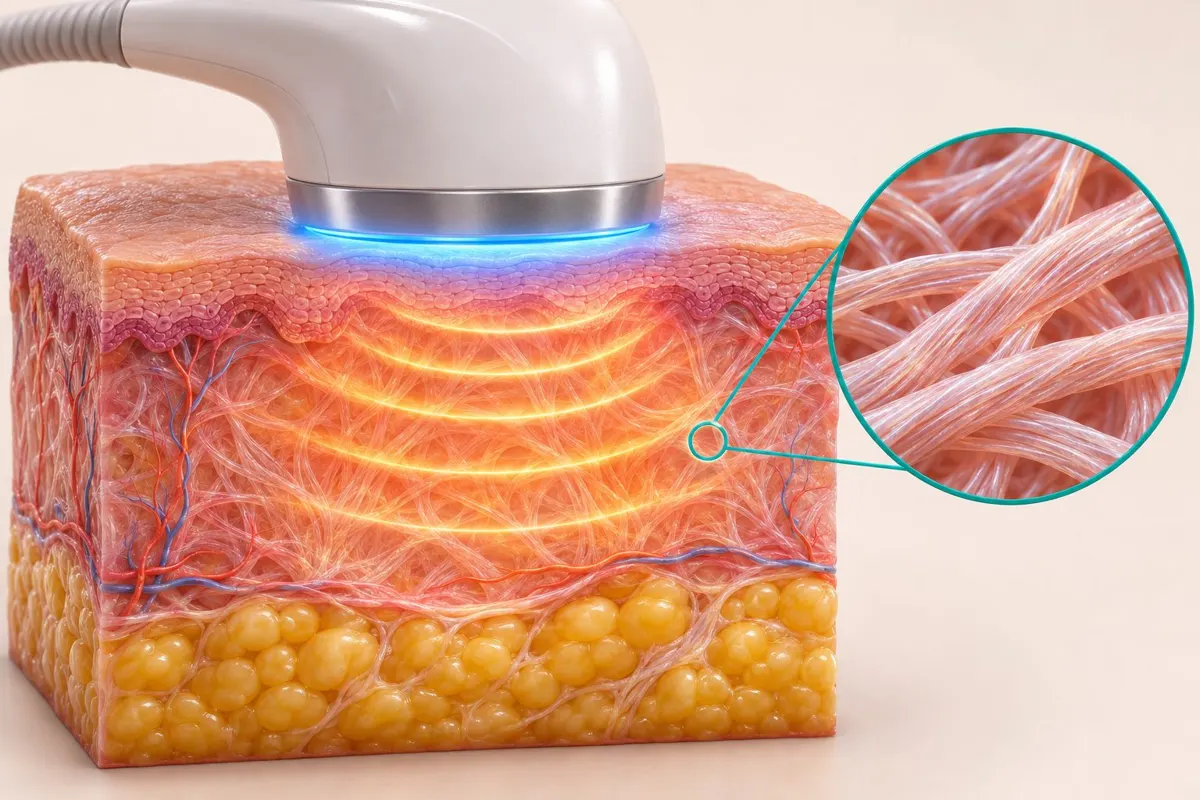
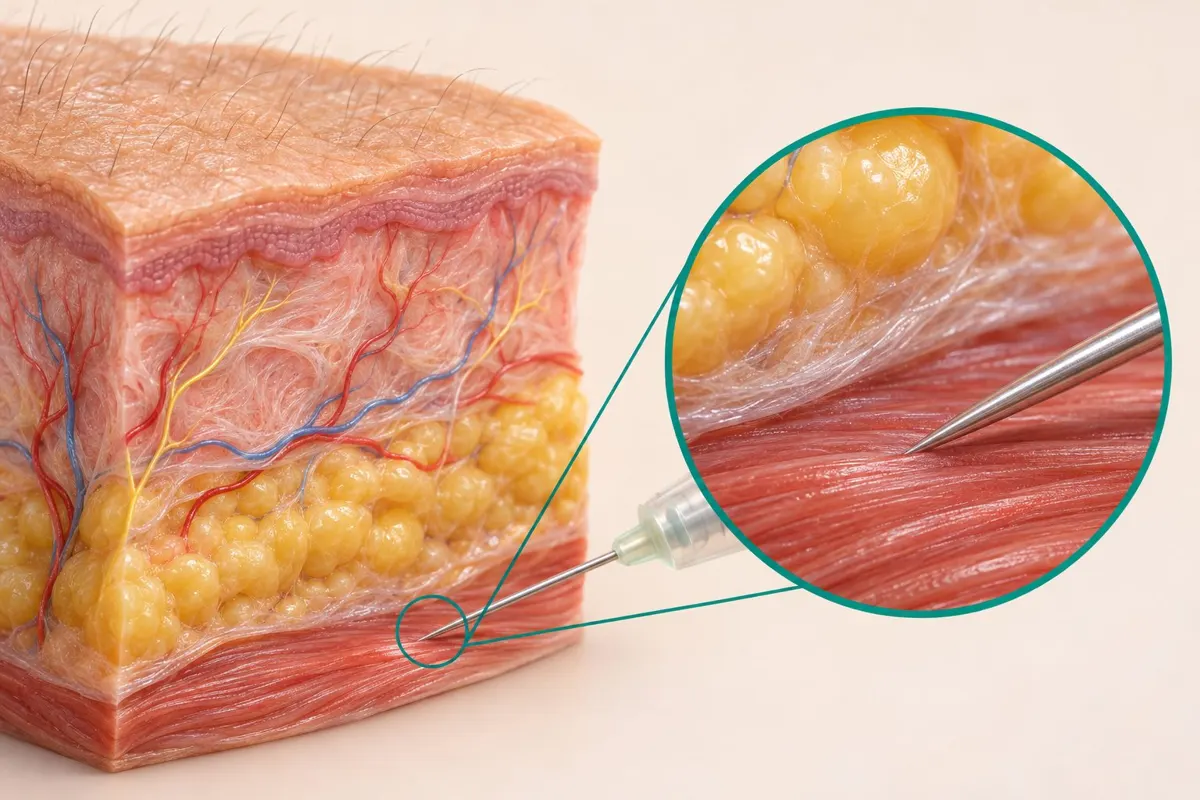
Unlike lifting procedures that deliver energy and wait for the skin to respond, Thread Lifting is a method in which threads directly grasp and pull the tissues.
- Barbs on the surface of the thread hold onto the tissue
- Sagging tissues are pulled up by the physical force of the thread
- Because the threads are dissolvable, they are gradually absorbed by the body over time
Results vary depending on the type and number of threads, as well as the direction and depth of insertion.
Threads Used at EVERYOU Clinic
PDO (Polydioxanone) Dissolvable Threads
These are absorbable sutures made of PDO. The surface of the thread features sawtooth-shaped barbs created through a Press Sculpting method, which serve to hold onto the tissue.
Bidirectional Cog Threads
These have barbs pointing in both directions to grasp and pull the tissue.
Fixed-Type Threads
These anchor the tissue from multiple directions.
Which threads to use, where to place them, and how many to insert are determined after examining your facial shape and the direction of sagging.
Who Commonly Consults for This Procedure
- Those concerned about nasolabial folds or a sagging jawline
- Those concerned about jowl lines beside the mouth
- Those who want to refine their facial contour for a slimmer look
- Those looking for a way to lift sagging tissues without surgery
If sagging is severe or the skin has lost significant elasticity, it may be difficult to expect your desired changes from Thread Lifting alone, which we will explain first during your consultation.
Procedure Process
- 1:1 Consultation — Checking facial shape and direction of sagging
02 Treatment Area Design Planning the type, number, and direction of threads
- Local Anesthesia — Partial anesthesia on the treatment area
- Thread Lifting Procedure — Performed according to the design
- Finishing — Cleaning up the treated area
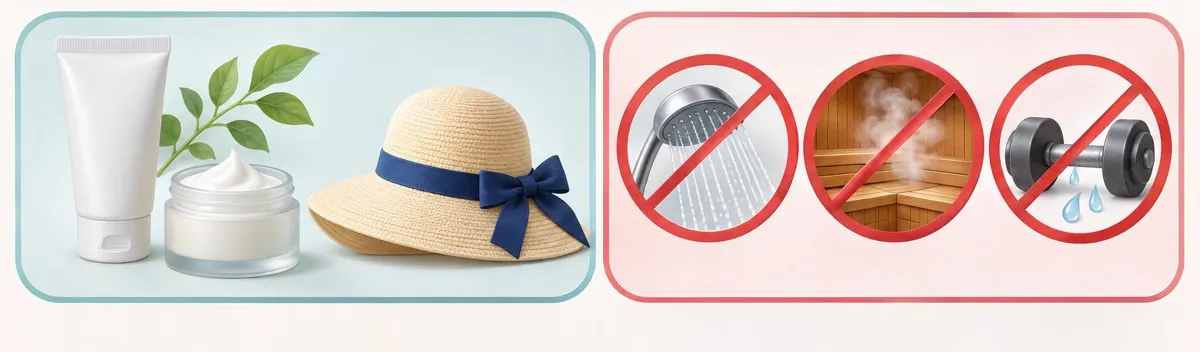
- Aftercare Instructions — Guidance on post-procedure care and follow-up checks
Possible Side Effects to Know
- Swelling, bruising
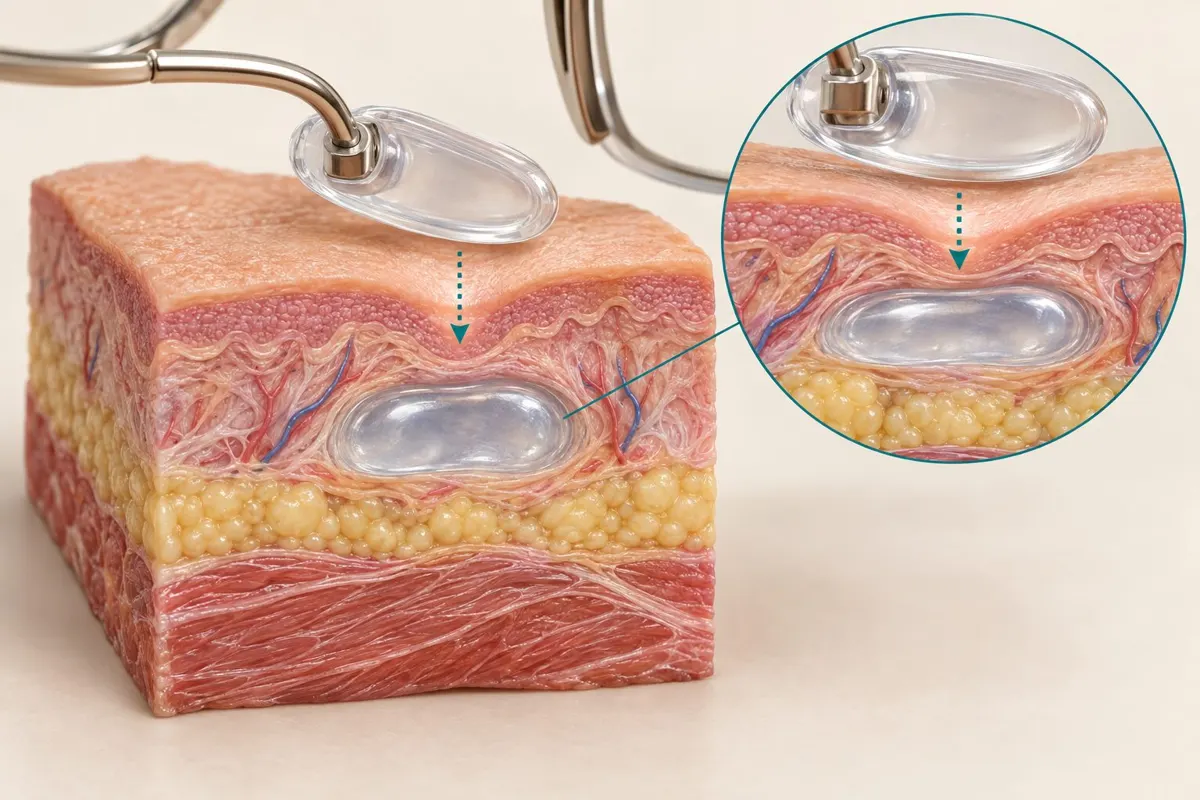
- Dimpling — where the skin appears indented
- Rippling — where the skin surface appears uneven
To reduce these possibilities, it is important to plan the depth, direction, and number of threads to match your face. Recovery speed varies by individual, and if uncomfortable symptoms persist, it is safer to visit the clinic for a checkup.
All procedures may cause side effects such as swelling, bruising, and redness depending on the individual, and results vary from person to person.
Please decide whether to proceed and choose the appropriate method after sufficient consultation with medical staff.